1. Introduction
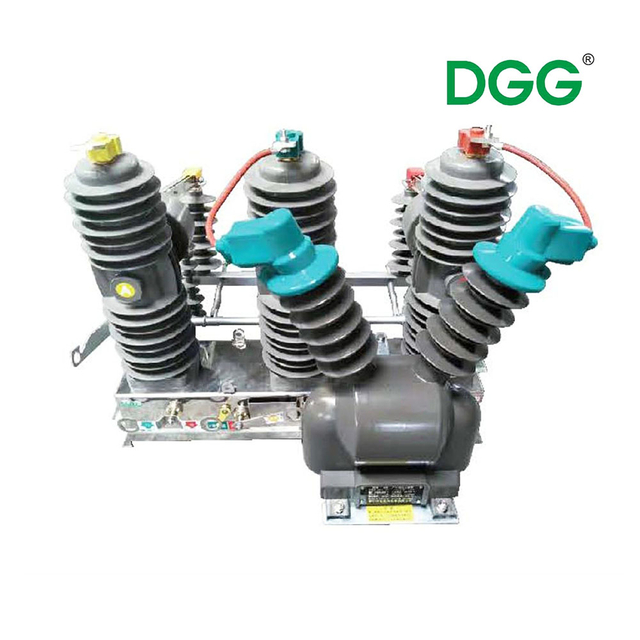
Circuit breakers are crucial for protecting electrical systems from faults, but how do they actually work? Specifically, SF6 circuit breakers play a vital role in modern power grids by using sulfur hexafluoride (SF6) gas to extinguish electrical arcs.
In this article, we will explore the technology behind SF6 circuit breakers, how they operate, and the advantages they offer. You’ll learn about their unique arc-quenching capabilities and how they ensure safe and reliable electrical systems.
2. The Technology Behind SF6 Circuit Breakers
What is SF6 Gas?
SF6 is a colorless, odorless, non-toxic gas that has excellent electrical insulating properties. It’s chemically stable and provides superior arc-quenching ability compared to other gases. SF6 gas is inert, meaning it does not react with other substances under normal conditions. This makes it ideal for circuit breakers, where rapid interruption of electrical arcs is necessary.
The Role of SF6 in Extinguishing the Arc
When a circuit breaker operates, it breaks the flow of current, creating an electrical arc between the contacts. SF6 gas plays a pivotal role here. Upon arc formation, the gas is rapidly ionized, and the ions combine with the free electrons, creating a high-density plasma. This plasma then cools the arc and deionizes the area, allowing the breaker to fully interrupt the current flow. This process ensures that the circuit breaker effectively isolates faults while protecting both the system and the equipment.
Proper management of SF6 gas is essential for maintaining the performance and safety of SF6 circuit breakers. Regular monitoring ensures optimal operation and extends equipment lifespan.
3. How SF6 Circuit Breakers Operate
The Breaker Mechanism
SF6 circuit breakers are designed to operate under high stress and quickly extinguish arcs. When the breaker detects a fault in the system, it opens its contacts. As the contacts separate, the arc is formed, and SF6 gas is forced into the arc chamber. The gas is compressed, cooling and quenching the arc, thus preventing damage to the system. This process happens within milliseconds, ensuring that the electrical current is interrupted before significant damage can occur.
Arc Extinguishing Process
The SF6 gas undergoes a rapid process that cools and extinguishes the electrical arc. Initially, the arc is quite hot, but as SF6 gas enters the chamber, it absorbs heat from the arc and carries it away. This causes the arc to collapse, and the breaker fully interrupts the current. SF6 gas also helps prevent the re-strike of the arc, ensuring that once the circuit is broken, it remains de-energized.
Safety Features in SF6 Circuit Breakers
Modern SF6 circuit breakers are equipped with several safety features. These include pressure sensors that detect leaks or drops in SF6 gas levels. Additionally, many breakers have advanced monitoring systems that track the gas’s condition and pressure, ensuring the breaker is always in peak operating condition. This is critical for avoiding potential failures in critical power systems.
Tip: Regular maintenance and gas monitoring are vital to ensuring the safety and effectiveness of SF6 circuit breakers, especially in high-demand environments.
4. Types of SF6 Circuit Breakers
Fixed-Type vs. Mobile-Type Circuit Breakers
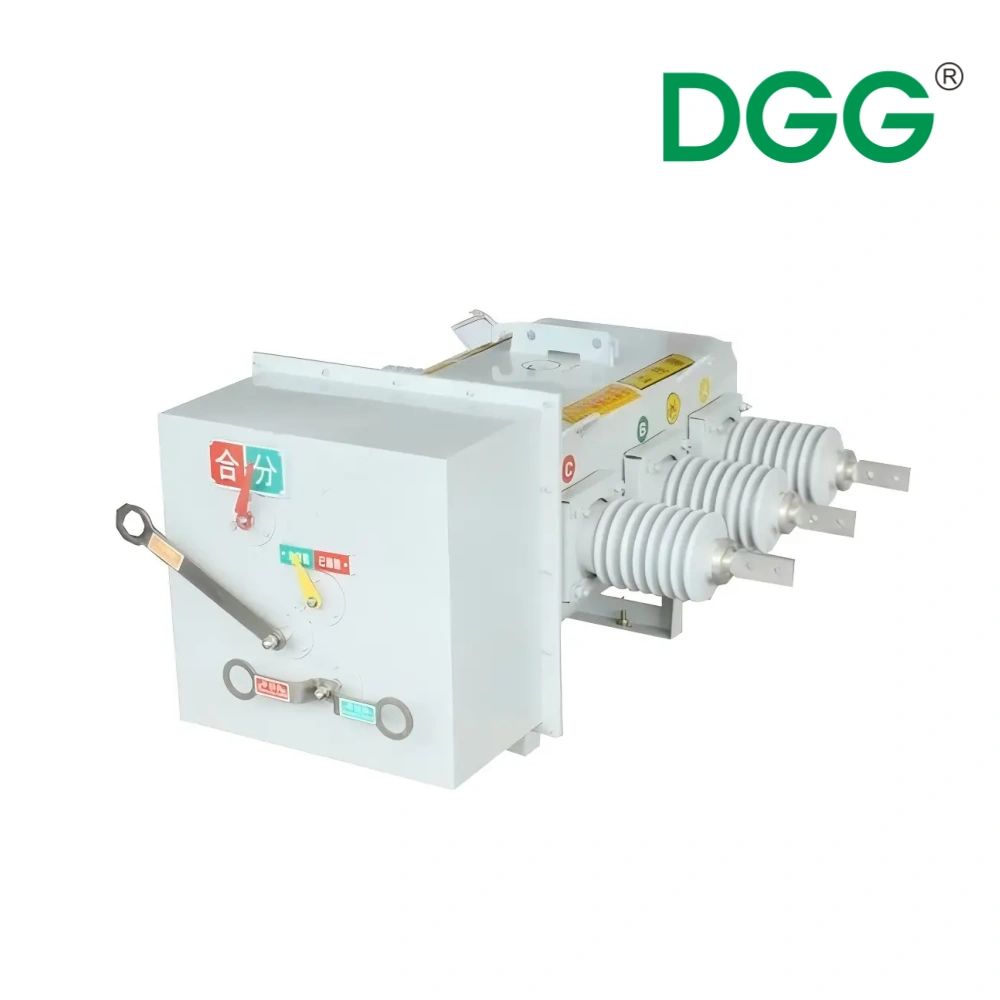
There are two main types of SF6 circuit breakers: fixed-type and mobile-type. Fixed-type breakers are stationary and are installed in substations or power plants. Mobile-type breakers, on the other hand, are designed for temporary setups, such as emergency backup systems or mobile substations. Both types offer similar protection, but mobile units provide flexibility and portability in case of system failures.
Feature | Fixed-Type Circuit Breaker | Mobile-Type Circuit Breaker |
Installation | Stationary, typically in substations | Portable, used in temporary setups |
Flexibility | Permanent installation | Can be moved as needed |
Application | Long-term, fixed electrical grids | Emergency backup or mobile substations |
Cost | Higher upfront cost | Generally more affordable for temporary use |
Ease of Maintenance | Requires specialized facilities | Can be serviced on-site |
High-Voltage vs. Low-Voltage Circuit Breakers
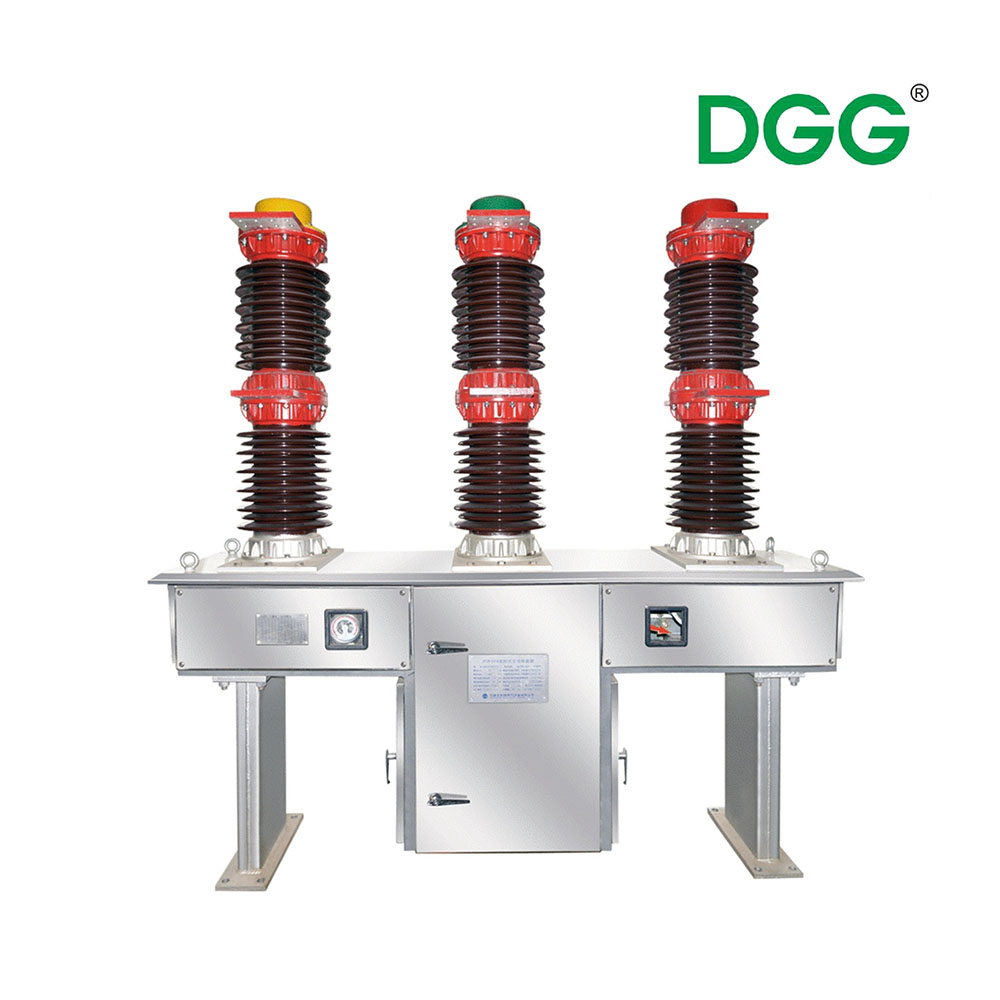
SF6 circuit breakers come in various designs, suited for different voltage levels. High-voltage breakers are typically used in transmission networks where the potential for faults is higher. Low-voltage breakers are used for distribution networks and in industrial applications where the voltages are lower. Both types rely on SF6 gas for arc-quenching, but high-voltage breakers are designed to handle more significant electrical loads.
5. Advantages of SF6 Circuit Breakers
High Reliability
SF6 circuit breakers are known for their high reliability. They perform well in extreme conditions, handling high fault currents without significant wear. Their consistent performance ensures the stability of the power grid, even during emergencies. This makes them indispensable in industries like energy, where downtime can result in significant losses.
Superior Arc Quenching Capability
SF6 gas offers superior arc-quenching properties, making it highly effective at extinguishing electrical arcs. The gas can absorb heat from the arc more efficiently than other substances, reducing the likelihood of equipment damage. This also ensures that the power system can resume normal operations quickly after a fault is cleared.
Compact Design
One of the benefits of SF6 circuit breakers is their compact design. Because SF6 gas is so efficient at arc quenching, the size of the breaker can be reduced significantly compared to other types. This makes SF6 circuit breakers ideal for environments where space is limited, such as urban substations or offshore platforms.
Environmentally Friendly Considerations
While SF6 is a potent greenhouse gas, its role in circuit breakers has been crucial to the evolution of power grid protection. However, as environmental concerns rise, there is a push toward developing SF6-free alternatives. Many manufacturers are working on creating sustainable technologies that offer similar performance without the environmental impact of SF6.
Tip: As SF6-free technologies evolve, staying informed about eco-friendly alternatives can help you future-proof your electrical systems and ensure compliance with environmental regulations.
6. Maintenance and Performance Monitoring
Routine Maintenance Practices
To ensure that SF6 circuit breakers operate effectively, regular maintenance is required. This includes inspecting the physical condition of the breaker, checking the SF6 gas pressure, and ensuring there are no leaks. Routine inspections should be performed to catch any potential issues before they lead to system failure.
Common Faults and Troubleshooting
SF6 circuit breakers, while reliable, can experience faults such as leaks, insufficient gas pressure, or faulty mechanical components. Common troubleshooting involves identifying leaks in the gas chamber, checking the seals, and verifying the breaker’s operational settings. Addressing these issues promptly ensures that the breaker remains functional and safe.
Monitoring SF6 Gas Levels and Leak Detection
Maintaining proper SF6 gas levels is essential for the efficient operation of circuit breakers. Many modern SF6 circuit breakers are equipped with sensors to monitor the gas’s pressure and detect leaks. Regularly checking these sensors and performing necessary refills or repairs is key to maintaining the breaker’s performance.
Tip: Install a remote monitoring system for SF6 circuit breakers to continuously track gas levels and operational status, reducing the risk of unexpected failures.
7. The Future of SF6 Circuit Breakers
Technological Innovations
SF6 circuit breakers are continuously evolving, with manufacturers focusing on increasing their reliability, reducing their size, and improving their environmental footprint. Innovations such as enhanced gas insulation systems, better sealing technology, and improved arc-quenching capabilities are paving the way for the next generation of SF6 circuit breakers.
Shift Toward Alternative Technologies
While SF6 circuit breakers are highly effective, the future may lie in SF6-free technologies. Researchers are exploring alternatives like vacuum circuit breakers and air-insulated circuit breakers that could offer similar performance with a smaller environmental impact. This shift aligns with global efforts to reduce the carbon footprint of electrical systems.
8. Conclusion
SF6 circuit breakers are essential for protecting electrical systems by extinguishing arcs using SF6 gas. They provide high reliability, superior arc-quenching capabilities, and a compact design. Regular maintenance is crucial for optimal performance. Denggao Electric Co., Ltd. offers high-quality circuit breakers that enhance system safety and efficiency, ensuring long-term value in modern power grids.
FAQ
Q: What is an SF6 circuit breaker?
A: An SF6 circuit breaker is an electrical protection device that uses sulfur hexafluoride (SF6) gas to extinguish arcs during current interruption, ensuring safe operation in high-voltage systems.
Q: How do SF6 circuit breakers work?
A: SF6 circuit breakers extinguish arcs by forcing SF6 gas into the arc chamber when the circuit is broken. The gas cools and deionizes the arc, interrupting the current flow quickly.
Q: Why are SF6 circuit breakers used in high-voltage systems?
A: SF6 circuit breakers are used in high-voltage systems because SF6 gas efficiently extinguishes electrical arcs, ensuring reliable protection for power grids.
Q: What are the advantages of SF6 circuit breakers over other types?
A: SF6 circuit breakers offer superior arc-quenching properties, high reliability, compact design, and the ability to perform well under extreme conditions, making them ideal for modern electrical grids.
Q: How do I maintain SF6 circuit breakers?
A: Regular maintenance involves checking gas pressure, inspecting seals, and monitoring the overall condition of the breaker. Proper gas management ensures optimal performance and safety.
Q: Can SF6 circuit breakers fail?
A: SF6 circuit breakers can fail if gas pressure drops, leaks occur, or if there is mechanical damage. Routine inspections help detect and fix issues before failure happens.