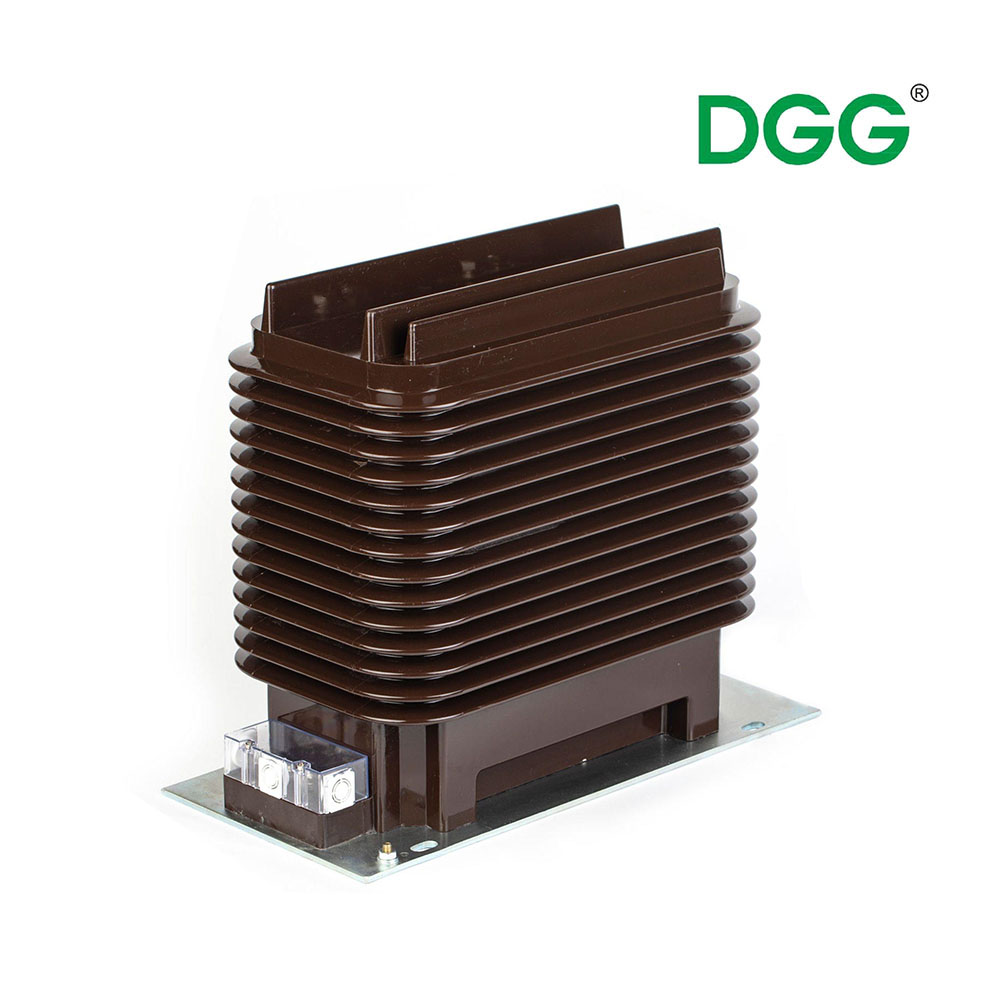
Specifying electrical components for outdoor substations, pole-mounted grid infrastructure, or renewable energy sites requires absolute environmental reliability. You cannot leave critical grid infrastructure vulnerable to harsh weather conditions. Extreme climates put immense stress on electrical metering and protection systems. Engineers must select components capable of surviving decades of abuse.
However, the term "fully enclosed" appears constantly in manufacturer catalogs. Engineering and procurement teams often mistakenly conflate this term with being entirely "waterproof" or "dustproof." This misconception creates a massive vulnerability. Deploying inadequately sealed units leads to dangerous field failures, compromised safety, and severe metering inaccuracies.
This article clarifies the crucial gap between standard enclosed units and truly weatherproof components. We will provide a rigorous evaluation framework to help you specify outdoor-rated units correctly. You will learn how to verify IP ratings, assess casting materials, and specify the right equipment without risking catastrophic grid failure.
Key Takeaways
"Fully enclosed" dictates structural design but does not guarantee environmental protection; true outdoor readiness requires verifiable IP (Ingress Protection) or NEMA ratings.
Outdoor reliability relies heavily on the casting material—typically UV-resistant cycloaliphatic epoxy resin—rather than just the outer casing.
Procuring a Waterproof High Accuracy Current Transformer requires balancing thick environmental casting with thermal dissipation and core precision.
For extreme climates, offshore wind, or corrosive environments, a custom current transformer is often more cost-effective long-term than adapting standard off-the-shelf units.
The Reality of "Fully Enclosed" vs. Truly Waterproof
Defining the Terminology
You must understand what "fully enclosed" actually means in electrical manufacturing. A fully enclosed current transformer usually features a sealed plastic or basic resin shell. Manufacturers design this shell primarily to protect internal components from incidental indoor contact. It safely prevents maintenance operators from touching live electrical parts. It stops large debris from entering the housing. However, this basic structural enclosure does not mean the unit can withstand driving rain, blowing dust, or high humidity.
Many standard enclosed designs utilize simple clam-shell casings. They lack internal potting or heavy-duty elastomeric seals. Moisture easily penetrates these basic enclosures through unsealed terminal blocks or microscopic casing seams. Engineers must recognize the difference between mechanical touch protection and true environmental sealing.
The Danger of Assumptions
Deploying standard indoor enclosed units in outdoor environments invites catastrophic failure. Rainwater easily finds its way through small gaps over time. This moisture ingress causes severe insulation breakdown between the primary and secondary windings. Water also corrodes internal connections and rusts the delicate magnetic core.
Once moisture penetrates the core, it triggers dangerous short circuits. These failures can destroy adjacent switchgear equipment. They cause immediate grid outages and endanger nearby personnel. Assuming an "enclosed" label equates to weatherproof protection represents a critical engineering mistake.
The Baseline Requirement
Outdoor use demands stringent, verifiable environmental certifications. You should never rely on subjective marketing jargon like "weather-resistant" or "fully enclosed." Establish strict baseline requirements for all outdoor electrical procurement.
Look for verified IEC, IEEE, or NEMA ratings. These international standards provide concrete proof of environmental resilience. They require physical laboratory testing against water jets, dust chambers, and extreme temperatures. Demanding these specific certifications ensures your components will actually survive prolonged environmental exposure.
Core Evaluation Dimensions for Outdoor Environmental Resilience
IP Ratings Explained for CTs
You must understand Ingress Protection (IP) ratings when specifying outdoor units. The IP system classifies the exact degree of protection provided against dust and water. We strongly recommend evaluating these ratings carefully.
IP65: This rating means the unit is dust-tight and protected against low-pressure water jets. We consider IP65 the bare minimum requirement for protected outdoor use, such as inside unsealed distribution cabinets.
IP67/IP68: These ratings denote protection against temporary (IP67) or continuous (IP68) submersion in water. You absolutely need these higher ratings for flood-prone areas, underground electrical vaults, or low-lying coastal substations.
Below is a summary chart detailing common IP ratings and their practical grid applications.
IP Rating
Solid Protection
Moisture Protection
Ideal Grid Application
IP54
Dust protected
Splashing water
Indoor industrial panels
IP65
Dust tight
Low-pressure jets
Basic outdoor pole mounts
IP67
Dust tight
Temporary submersion
Heavy storm exposure regions
IP68
Dust tight
Continuous submersion
Underground utility vaults
Material Integrity and UV Degradation
Direct sunlight aggressively destroys standard materials. Typical epoxies or polyurethane casings chalk, crack, and fail under continuous ultraviolet (UV) radiation. This chemical degradation creates surface fissures. These fissures expose the internal electrical windings to rain and humidity.
Cycloaliphatic epoxy resin solves this severe environmental problem. The electrical industry relies on this specialized resin as the gold standard for outdoor casting. It possesses exceptional inherent UV resistance. It resists chalking and maintains its structural integrity even after decades of direct sun exposure. Always specify cycloaliphatic epoxy for unsheltered outdoor installations.
Thermal Cycling & Creep Distance
Outdoor components face brutal day-to-night temperature swings. These thermal cycles cause internal components to expand and contract constantly. This movement creates microscopic structural fissures over time. If moisture enters these microscopic cracks, it drastically lowers the insulation resistance.
You must also calculate appropriate creepage distance. Creepage is the shortest path along the insulation surface between two conductive parts. In wet or polluted conditions, moisture and dirt create a conductive film on the casing. This film causes dangerous surface tracking. A properly designed outdoor unit features extended sheds (ribs) to increase the creepage distance. This design prevents electrical discharge during heavy rainstorms.
Specifying a Waterproof High Accuracy Current Transformer
The Accuracy-Environment Trade-off
Moisture ingress directly devastates core precision. Water physically alters the magnetic properties of the core material. It induces rust and degrades the silicon steel laminations. This degradation causes severe ratio errors. It also creates unacceptable phase displacement during measurement.
In revenue metering applications, you cannot tolerate these inaccuracies. Utilities lose massive revenue if metering drifts out of calibration. Procuring a reliable Waterproof High Accuracy Current Transformer solves this issue. However, manufacturers must carefully balance thick environmental epoxy casting against the thermal dissipation needs of the high-precision core.
Required Testing Protocols
Theoretical IP claims look great on paper but fail in the field. Procurement teams must demand rigorous empirical proof. Do not accept marketing brochures as technical verification.
You should actively request wet withstand voltage test reports. Laboratories conduct these tests by spraying the unit with water while applying high voltage. This process simulates severe thunderstorms. You must also demand partial discharge test reports. These reports confirm the internal casting contains no air voids. Air voids expand during thermal cycling and eventually rupture the waterproof seal.
Sealing the Weakest Link
The secondary terminal box often represents the weakest structural link. Even if the main epoxy body is flawless, water easily creeps into poorly designed terminal boxes. You must focus heavily on this specific connection point during specification.
Specify waterproof cable glands for all wire entries. Use marine-grade stainless steel hardware to prevent rust. Ensure the manufacturer uses high-quality elastomeric O-ring seals on the terminal box cover. These specific hardware choices remain critical. They maintain the waterproof integrity of the overall installed unit.
Standard vs. Custom Current Transformer Solutions
Off-the-Shelf Outdoor Units
Off-the-shelf outdoor units work well for standard utility grids. They perfectly suit regions featuring predictable climates. They also fit standard switchgear mounting configurations easily. Manufacturers produce these standard models in high volumes using reliable resin cast molds.
If your project involves basic pole-mounted applications in moderate weather zones, standard IP65 units usually suffice. They offer excellent availability and straightforward installation guidelines.
When to Specify a Custom Current Transformer
Sometimes, standard solutions fail to meet project demands. Extreme environments require tailored engineering approaches. You should specify a custom current transformer when facing specialized environmental or structural challenges.
Consider custom engineering in these specific scenarios:
Extreme Sub-Zero Temperatures: Standard casting resins become brittle and shatter below -40°C. Custom units utilize specialized potting compounds designed to remain flexible in arctic conditions.
Marine and Offshore Applications: Salt spray aggressively attacks standard hardware. Offshore wind farms require high-grade anti-corrosive treatments, specialized coastal resins, and 316 stainless steel fittings.
Switchgear Retrofitting: Upgrading legacy outdoor switchgear often presents spatial challenges. Standard unit footprints rarely fit into decades-old mounting spaces. Custom models provide tailored dimensions and weather-sealed brackets to match existing infrastructure.
Here is a comparison chart to help guide your decision process:
Evaluation Criteria
Standard Outdoor Unit
Custom Engineered Unit
Operating Temperature
Moderate ranges (e.g., -25°C to +40°C)
Extreme ranges (e.g., -50°C or +65°C ambient)
Corrosion Resistance
Basic UV and rain protection
Marine-grade salt fog resistance
Mounting Hardware
Fixed, industry-standard footprints
Bespoke brackets for legacy retrofits
Terminal Box Sealing
Standard IP65 gaskets
IP68 hermetic sealing options
Implementation Risks and Installation Best Practices
Mounting Orientation
Your installation angle heavily dictates long-term environmental survival. Installing a fully waterproof unit upside down creates massive operational risks. Incorrect mounting angles cause unintended rainwater pooling around sensitive terminal entries.
Standing water applies continuous hydrostatic pressure against the mechanical seals. Over time, this pressure eventually breaches the O-rings. Always follow the manufacturer's exact recommended mounting orientation. Ensure drain holes remain unobstructed. Proper orientation allows gravity to shed water away from critical connection points naturally.
Condensation Management
High IP ratings do not eliminate internal condensation risks. Varying ambient humidity levels can trap moisture inside tightly sealed terminal boxes. When temperatures drop at night, this trapped humidity condenses into liquid water right on the secondary terminals.
You must address internal condensation proactively. Specify units equipped with specialized breather valves. These valves equalize internal pressure and allow moisture to escape without letting rain enter. You can also utilize industrial desiccants inside the terminal box to absorb stray moisture before it causes corrosion.
Maintenance Realities
Even premium weatherproof units require routine field checks. You must establish realistic, scheduled inspection protocols. Do not install equipment and ignore it for a decade.
Technicians should check the epoxy casing for early signs of UV chalking or resin degradation. They must inspect terminal boxes for hidden galvanic corrosion. Furthermore, they should clean off biological growth like mold, algae, or moss from the transformer body. Biological growth holds moisture directly against the insulation surface and drastically reduces effective creepage distance.
Shortlisting Logic: Making Your Final Specification Decision
Clear Requirements Checklist
Never guess your environmental requirements during the procurement phase. Build a strict requirements checklist. Match your specific application environment to the exact necessary IP or NEMA rating. Determine if your location demands IP65 or IP67.
Verify the UV resistance classification of the casting material. Confirm the creepage distance meets local pollution level standards. Documenting these specific requirements prevents vendors from substituting inferior indoor-rated enclosed units.
Supplier Vetting
Evaluate your potential manufacturers rigorously. You need partners who understand outdoor grid demands. Judge them based on their testing transparency. Ask to see their actual laboratory certificates, not just marketing summaries.
Review their adherence to ISO and IEC manufacturing standards. Examine their warranty terms specifically regarding environmental damage and moisture ingress. Reliable manufacturers stand behind their outdoor sealing technology and eagerly share their testing methodologies.
Next Steps
Take concrete action to finalize your specification. Request comprehensive environmental test data sheets from your shortlisted suppliers. Review the wet withstand and partial discharge data carefully.
Consider ordering a prototype unit for localized weather testing before committing to a massive grid rollout. If your environment poses unique challenges, engage the manufacturer's engineering support team early. They can assist with custom dimensioning and recommend specialized sealing techniques.
Conclusion
"Fully enclosed" is a starting point, not a guarantee. Real outdoor readiness relies on specific epoxy casting, verified IP ratings, and rigorous wet testing.
Never compromise on environmental ratings to save on upfront costs. Specifying the correct weatherproof CT ensures long-term grid stability and metering accuracy.
Address terminal sealing, mounting orientation, and condensation management to prevent premature field failures.
Contact our engineering team to review your outdoor environment specifications or to design a custom weatherproof CT for your next project.
FAQ
Q: What is the minimum IP rating needed for an outdoor current transformer?
A: IP65 is the baseline for general outdoor use, but IP67 is recommended for areas exposed to heavy storms, snow accumulation, or potential flooding.
Q: Can I use a standard indoor enclosed CT inside a weatherproof outdoor cabinet?
A: Yes, but it carries risks. Cabinet condensation and humidity can still compromise an indoor-rated CT over time. True outdoor-rated casting provides essential redundancy.
Q: Does direct sunlight damage a waterproof current transformer?
A: Yes, if it is not UV-stabilized. UV radiation causes standard resins to become brittle and crack, which destroys the waterproofing. Always specify UV-resistant materials like cycloaliphatic epoxy for direct outdoor exposure.