1. Introduction
What if power interruptions could be minimized automatically? This is exactly what Auto Reclosers do.
In this guide, we will explain how Auto Reclosers work, why they are essential for modern power grids, and the benefits they bring. You'll discover how they reduce downtime, improve reliability, and save costs in electrical systems.
2. What are Auto Reclosers?
2.1 Definition and Purpose
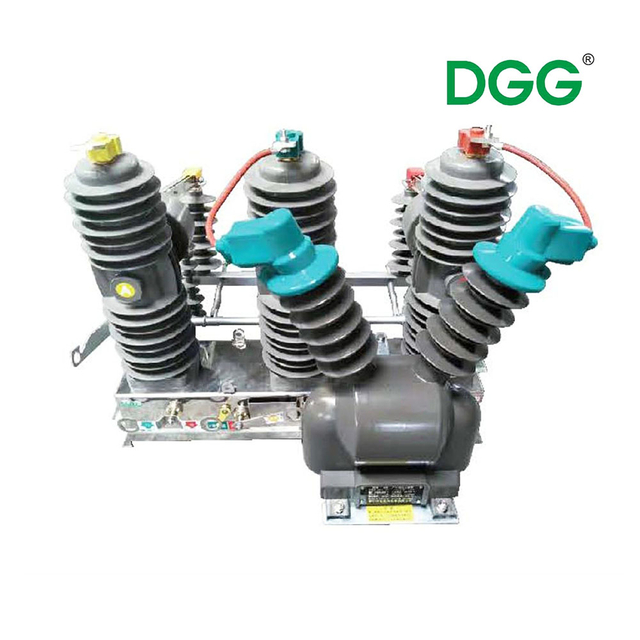
An Auto Recloser is an automatic electrical protection device used to restore power after a temporary fault. When a fault occurs—such as a momentary short circuit or a temporary disturbance in the system—the Auto Recloser opens the circuit, isolates the fault, and then attempts to restore power after a brief delay. If the fault is temporary, the system will be restored automatically without the need for human intervention.
The primary purpose of Auto Reclosers is to reduce downtime and prevent unnecessary manual intervention. They help to keep the electrical grid operational by quickly detecting and addressing faults that do not require long-term isolation.
2.2 How Auto Reclosers Work
The operation of an Auto Recloser follows a simple yet effective cycle. When a fault occurs, the Auto Recloser detects it and immediately opens the circuit to isolate the affected section. The device then waits for a preset delay period before attempting to close the circuit again. This delay allows any temporary fault, like a lightning strike or a falling tree, to clear itself.
If the fault persists after a set number of attempts, the Auto Recloser remains open, signaling that manual intervention is needed. This automatic reset function is what differentiates Auto Reclosers from traditional circuit breakers, which require manual reset after each fault.
2.3 Why Auto Reclosers Matter
Auto Reclosers are crucial for maintaining the reliability and efficiency of power distribution systems. They are especially valuable in areas prone to transient faults, where brief disturbances can cause lengthy outages if left unresolved. By automatically restoring power after such faults, Auto Reclosers minimize disruptions and reduce the need for costly maintenance work. In addition, they play a key role in reducing the time it takes to restore power, ensuring that critical infrastructure and services remain operational.
Tip: If your grid covers areas with high rates of transient faults, investing in Auto Reclosers can significantly improve system reliability and reduce repair costs.
3. Key Features of Auto Reclosers
3.1 Fault Detection and Isolation
Auto Reclosers are equipped with advanced fault detection mechanisms. These mechanisms are designed to identify faults quickly and accurately. Common methods include overcurrent protection and differential protection. The overcurrent protection detects when the current exceeds safe limits, indicating a fault, while differential protection compares the incoming and outgoing currents to detect imbalances.
Once a fault is detected, the Auto Recloser isolates the affected part of the system, preventing it from impacting the rest of the network. This isolation ensures that only the section with the fault is disconnected, keeping the rest of the system operational.
3.2 Automatic Reset and Time Configurations
One of the most significant features of Auto Reclosers is their ability to automatically reset. After opening the circuit to isolate the fault, the recloser waits for a predefined time period before attempting to restore power. This time setting is crucial because it allows the system to wait for brief disturbances, such as lightning strikes, to clear themselves without human intervention.
The ability to adjust the time configuration allows utilities to optimize the number of reset attempts based on the characteristics of the faults common in their networks. For example, areas with frequent lightning storms may have shorter retry intervals.
3.3 Integration with Smart Grids
In modern power grids, Auto Reclosers are often integrated with smart grid systems. Smart grids are equipped with communication technologies that allow for real-time monitoring and control of the electrical system. When Auto Reclosers are connected to smart grids, utilities can remotely monitor their performance, receive fault alerts, and make adjustments as needed.
This integration significantly improves the management of the power grid, allowing for faster decision-making and better fault management. It also allows operators to gather valuable data on system performance, helping to improve future maintenance strategies.
4. Applications of Auto Reclosers
4.1 Power Distribution Networks
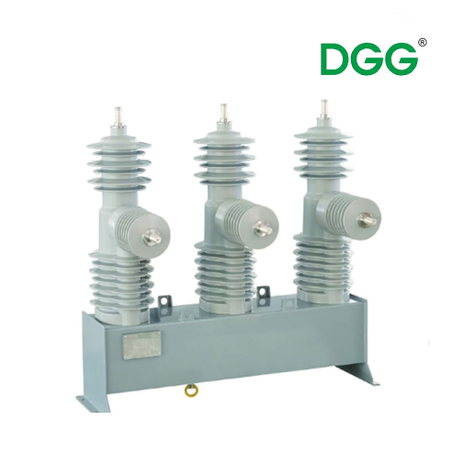
Auto Reclosers are widely used in power distribution systems to ensure that power is restored quickly after faults. In larger distribution networks, Auto Reclosers are critical in reducing the impact of faults on customers by preventing widespread outages. They are especially effective in areas with frequent but brief faults, such as those caused by weather-related disturbances.
Auto Reclosers are ideal for use in suburban and rural power grids where manual intervention may take longer, making them an essential part of ensuring a reliable and uninterrupted power supply.
4.2 Remote and Critical Infrastructure
In remote locations, Auto Reclosers are indispensable. These devices allow power to be restored automatically without needing personnel to travel to remote sites. This is especially valuable in areas where power restoration can take days due to the difficulty of access.
For critical infrastructure, such as hospitals, factories, and communication networks, Auto Reclosers play a vital role in maintaining a continuous power supply. These systems often cannot afford long downtimes, and Auto Reclosers ensure that faults are quickly addressed before they affect operations.
4.3 Industrial Applications
Auto Reclosers are also used in industrial settings to maintain the continuity of operations. In large manufacturing plants, electrical faults can lead to production stoppages, resulting in significant financial losses. By automatically restoring power after brief faults, Auto Reclosers help to keep operations running smoothly without long interruptions.
5. Advantages of Auto Reclosers
5.1 Enhanced System Reliability
The primary advantage of Auto Reclosers is their ability to enhance system reliability. They quickly detect and respond to transient faults, ensuring that power is restored without unnecessary delays. This improves the overall stability of the electrical grid and reduces the frequency of power interruptions that customers experience.
5.2 Cost-Effectiveness and Reduced Maintenance
Auto Reclosers help utilities save on operational costs by reducing the need for manual fault restoration. With their ability to restore power automatically, the system is less reliant on human intervention, which can be costly and time-consuming. This is particularly valuable in areas with large networks or remote locations where dispatching repair crews can be expensive.
5.3 Improved Power Quality
By isolating faults quickly and restoring power to unaffected areas, Auto Reclosers contribute to maintaining high-quality power across the grid. They prevent power disruptions from spreading throughout the network, ensuring that consumers experience minimal interruption and voltage fluctuation.
6. How to Choose the Right Auto Recloser for Your System
6.1 Factors to Consider
When selecting an Auto Recloser, it is important to consider factors such as the size of your network, the type of faults common in your area, and the level of automation required. Ensure that the recloser can handle the specific fault conditions your system encounters regularly.
6.2 Best Practices for Deployment
To maximize the benefits of Auto Reclosers, ensure that they are deployed in locations where they can handle the most common fault types. For example, in areas with frequent lightning, configure the system to retry several times before alerting for manual intervention.
7. Conclusion
Auto Reclosers automatically restore power after transient faults, minimizing downtime and improving system reliability. These devices are essential for enhancing the stability of electrical grids. Companies like Denggao Electric Co., Ltd. provide high-quality Auto Reclosers, offering efficient fault management and cost-saving solutions for power distribution systems.
FAQ
Q: What are Auto Reclosers?
A: Auto Reclosers are devices used to automatically restore power after temporary faults, reducing downtime and improving the reliability of electrical grids.
Q: How do Auto Reclosers work?
A: Auto Reclosers detect faults, open the circuit, and attempt to restore power after a short delay. They continue trying until the fault is cleared or manual intervention is needed.
Q: Why are Auto Reclosers important?
A: Auto Reclosers minimize service interruptions caused by transient faults, ensuring power is restored quickly and reducing maintenance costs.
Q: Are Auto Reclosers expensive to install?
A: While Auto Reclosers have a higher initial cost than traditional devices, they offer significant long-term savings by reducing downtime and operational costs.
Q: Where are Auto Reclosers typically used?
A: Auto Reclosers are used in power distribution networks, remote areas, and critical infrastructure where minimizing outages and automatic fault restoration is essential.


