1. Introduction to Current Transformers
A Current Transformer (CT) is an essential component in modern electrical systems. It serves as an electrical device used to measure or monitor alternating current (AC) systems. In its simplest form, a CT functions as a type of Instrument Transformer, stepping down high current levels to manageable values for measuring instruments or protective devices.
What is a Current Transformer?
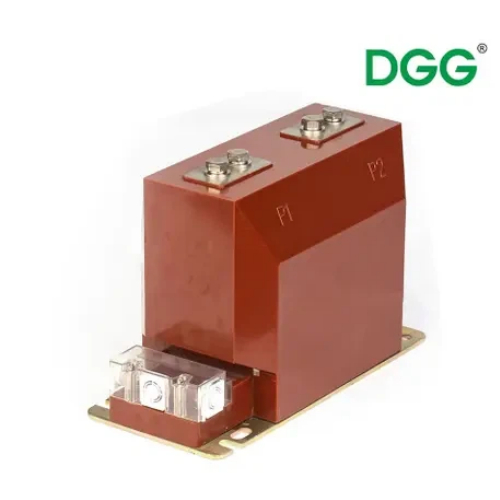
A Current Transformer is a type of transformer that measures electrical current by reducing high current levels to a lower value. This reduction allows devices such as meters, relays, and other monitoring instruments to measure the current safely. The high current in the primary side induces a proportional current in the secondary side, enabling accurate measurements.
CTs are crucial in preventing overloads and ensuring the accuracy of energy measurement, thereby improving electrical systems' efficiency. These transformers are commonly used in large-scale electrical systems such as power grids, substations, and industrial machinery.
Role of Instrument Transformers
Instrument Transformers, including Current Transformers and Voltage Transformers (VTs), are indispensable in both industrial and commercial electrical systems. They allow high-voltage and high-current systems to be measured, controlled, and protected without exposing human operators to dangerous electric currents.
2. How Current Transformers Work: Basic Principles
Understanding how a Current Transformer works requires a dive into the fundamental principles of electromagnetic induction. Below is a breakdown of the CT working principle.
Electromagnetic Induction Principle
At the core of any Current Transformer is the principle of electromagnetic induction. When an alternating current flows through the primary winding of the transformer, it creates a magnetic field around the conductor. This magnetic field then induces a current in the secondary winding. The amount of current in the secondary is directly proportional to the current flowing in the primary winding, with the ratio defined by the turns ratio.
Core Components of a Current Transformer
A typical Current Transformer is composed of the following key components:
Primary Winding: This is the part of the CT where the high current flows. It can either be a single conductor passing through the CT core (in the case of a "window" CT) or a wound conductor.
Secondary Winding: This winding is responsible for outputting the measured, scaled-down current. It is usually wound around the core.
Magnetic Core: The core is made of magnetic material, such as silicon steel, to channel the magnetic flux induced by the primary current. The core ensures that the magnetic field is concentrated and efficiently transferred to the secondary winding.
Insulation: Ensures that the CT safely handles the high voltage on the primary side without affecting the secondary side.
Current Transformation Process
The working of a Current Transformer can be described in the following steps:
A high-current AC is passed through the primary conductor.
The magnetic field generated by the current induces a proportional current in the secondary winding.
The current is reduced to a safer, measurable level, allowing monitoring instruments to take readings without the need for direct high-current measurement.
Current Transformation Process
Step | Description |
1 | High current flows through the primary conductor. |
2 | Magnetic field is generated by the current. |
3 | Magnetic flux is transferred to the secondary winding. |
4 | A proportional current is induced in the secondary winding. |
5 | The secondary current is safely measured and used for monitoring or protection. |
3. Types of Current Transformers
Current Transformers come in several variations, each suited for specific applications. The different types of CTs cater to various measurement, protection, and monitoring needs across diverse industries.
Core-Type Current Transformers
Core-type Current Transformers are the most common and consist of a magnetic core through which the primary conductor passes. These CTs are widely used in applications requiring high accuracy, such as metering and protection.
Advantages: Accurate measurement, cost-effective for standard applications.
Applications: Used in energy meters, circuit protection, and large power systems.
Bar-Type Current Transformers
Bar-type CTs use a primary conductor (usually a bar) to pass the current through a central magnetic core. This type is typically used in applications with high currents, where the physical dimensions of the conductor are large.
Split-Core Current Transformers
Split-core CTs have a core that can be opened to allow easy installation around an existing conductor without needing to disconnect the system. This makes them ideal for retrofitting and monitoring without interrupting the system.
Advantages: Easy installation, flexibility in retrofitting.
Applications: Used in HVAC systems, data centers, and existing installations where downtime is not feasible.
4. Applications of Current Transformers
Current Transformers are used in a wide range of applications, primarily for current measurement, protection, and monitoring.
Electrical Measurement
In many electrical systems, Current Transformers are employed to monitor the current flowing through the system. This information is crucial for accurate energy measurement, billing, and efficiency optimization. By stepping down high current to manageable levels, CTs allow instrumentation and metering devices to read the current without exposure to dangerous levels.
Protection Systems
One of the most significant uses of Current Transformers is in protection systems. In the event of overcurrent situations (such as a short circuit or overload), CTs feed information into protective relays that can isolate the faulty circuit by triggering circuit breakers. This helps safeguard the equipment and ensures the system remains operational under abnormal conditions.
Voltage Regulation and Monitoring
CTs are integral to voltage regulation systems, where they assist in maintaining stable voltage levels by providing feedback on current fluctuations. These measurements ensure that the power supply remains within safe operational limits.
5. Key Benefits of Using Current Transformers
The integration of Current Transformers into electrical systems offers numerous advantages:
Accuracy and Reliability in Measurement
Current Transformers provide highly accurate measurements of current, which are critical for energy monitoring, metering, and system analysis. This accuracy ensures that utilities can monitor energy usage without the risk of errors caused by direct measurement of high currents.
Safety in High-Voltage Environments
CTs allow electrical engineers and operators to safely measure high current without direct exposure. By stepping down the current to manageable levels, CTs prevent potential electrical hazards.
Cost-Effectiveness
The use of Current Transformers reduces the need for costly direct current measurement equipment and ensures the safety and efficiency of electrical systems. By using CTs, the cost of electrical measurement and protection is reduced without sacrificing performance.
6. Why Instrument Transformers Are Essential in Modern Electrical Systems
Instrument Transformers, particularly Current Transformers, are crucial in modern electrical systems for several reasons. They enable utilities and industries to efficiently monitor, control, and protect their electrical infrastructure.
Wider Role in Industrial and Commercial Power Systems
In large industrial and commercial electrical systems, Instrument Transformers help to manage and monitor vast amounts of electrical data. They are used in substations, power distribution systems, and large-scale electrical installations, where accurate measurement and protection are paramount.
Integration with Protection and Automation Systems
CTs are often integrated into automated systems that monitor and protect electrical equipment. These systems use data from CTs to detect faults and provide real-time data for decision-making.
7. Conclusion
In conclusion, Current Transformers are vital for the efficient and safe operation of electrical systems. They play an essential role in energy monitoring and protection systems by converting high-current readings into safe, manageable values. This capability makes them an indispensable part of modern electrical infrastructure. As key components of Instrument Transformers, Current Transformers help ensure the smooth, safe, and efficient functioning of electrical systems. Without them, managing high-voltage systems would not only be unsafe but also extremely challenging.
At Denggao Electric Co., Ltd., we specialize in providing top-quality Current Transformers designed to meet the needs of both industrial and commercial power systems. Our products offer reliable, accurate measurements and play a crucial role in protecting your electrical equipment. To learn more about our solutions or to find the right Current Transformer for your specific needs, we encourage you to get in touch with us. Let us help you keep your electrical systems operating safely and efficiently.
FAQ
1. What is the main function of a Current Transformer?
A Current Transformer (CT) steps down high-current flows into a lower, measurable current that can be safely monitored and controlled.
2. How does a Current Transformer differ from a Voltage Transformer?
A Voltage Transformer (VT) steps down voltage levels, whereas a Current Transformer is used to reduce high currents to a measurable level.
3. Can a Current Transformer be used in DC systems?
No, Current Transformers are designed to work with alternating current (AC) because they rely on electromagnetic induction, which is specific to AC.
4. Why is the turns ratio important in a Current Transformer?
The turns ratio determines the scale at which current is transformed from the primary to the secondary side, impacting the accuracy of the current measurement.
5. What types of Current Transformers are available?
The most common types are core-type, bar-type, and split-core CTs, each suitable for different applications and installation environments.


