1. Understanding Current Transformers and Their Importance
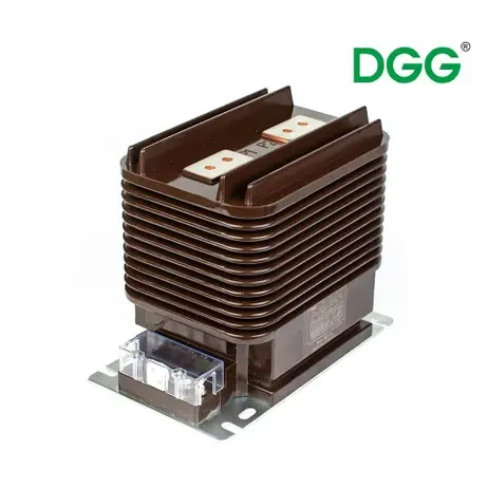
A Current Transformer (CT) is an essential component in modern electrical systems. It serves to step down high current levels in electrical circuits to a safe, manageable level. The Current Transformer works as a subcategory under the broader classification of Instrument Transformers, which are critical for the accurate measurement and protection of electrical systems. Instrument Transformers—including CTs and Voltage Transformers (VTs)—make it possible to safely monitor, measure, and protect electrical systems, especially in high-voltage and high-current scenarios.
In any electrical system, Current Transformers are indispensable for energy metering and protection applications. They provide precise measurements that allow utility companies to monitor energy consumption, manage power distribution, and trigger protective mechanisms like circuit breakers during faults. The selection of the right Current Transformer ratio is crucial to ensure that these functions are carried out efficiently and accurately. A correct ratio guarantees that the current is stepped down to a level that can be safely monitored without introducing measurement errors.
The Importance of Selecting the Right Ratio
Selecting the correct Current Transformer ratio directly influences the accuracy, safety, and performance of electrical systems. Whether used in residential, industrial, or power grid applications, CTs need to be correctly matched to the system’s characteristics. By ensuring an accurate transformation ratio between the primary and secondary windings, you ensure that measurements reflect the true currents in the circuit.
2. What is the Current Transformer Ratio?
The Current Transformer ratio refers to the relationship between the primary current flowing through the system and the secondary current that is induced in the transformer’s secondary winding. This ratio is determined by the turns ratio, which represents the number of turns in the primary winding compared to the number of turns in the secondary winding.
Understanding the Turns Ratio of a CT
In simple terms, the turns ratio of a Current Transformer determines how much the transformer reduces the current from the primary to the secondary side. If the primary winding has more turns than the secondary, the CT will step down the current. The turns ratio is crucial for ensuring that the current measurements are accurate.
For instance, a Current Transformer with a 100:5 ratio means that for every 100 amperes flowing through the primary winding, the secondary winding will produce a 5-ampere current. The secondary current is proportional to the primary current, making it safe for measurement devices to read.
Why the Ratio Matters
Choosing the right ratio impacts:
Measurement Accuracy: Incorrect ratios can lead to underestimating or overestimating the current, impacting energy monitoring and protection.
Safety: A properly selected CT ratio ensures that the secondary side is manageable, reducing the risk of electrical hazards.
System Efficiency: The right CT ratio guarantees that the system operates smoothly by providing accurate readings for energy meters and protection relays.
3. Factors to Consider When Selecting the Right CT Ratio
Selecting the appropriate ratio for your Current Transformer involves understanding several key factors related to your electrical system’s operational conditions. Here, we discuss these factors in detail.
System Voltage and Current Levels
The maximum current and voltage levels in your system significantly influence the Current Transformer ratio. The CT needs to match the expected load to ensure it steps down high currents to manageable levels without compromising accuracy.
High-voltage Systems: For high-voltage electrical systems, CTs with a higher turns ratio are necessary to handle large currents and provide accurate readings.
Low-voltage Systems: For lower-voltage applications, the CT ratio can be smaller, as the currents involved are less intense.
Accuracy and Precision Needs
The Current Transformer ratio also depends on the required level of accuracy for energy metering or protection purposes.
Energy Metering: For accurate energy measurement, the CT ratio must align precisely with the expected current levels to avoid errors in energy consumption readings.
Protection Applications: For protection relays, the ratio must ensure that the system responds accurately to overloads or faults.
Burden on the CT
The burden refers to the total load placed on the Current Transformer by the instruments connected to its secondary side (such as meters and relays). The burden affects the secondary voltage, which in turn impacts the accuracy of the CT. A high burden can distort measurements, while a low burden may cause inadequate current transformation.
To ensure optimal performance, it is essential to select a Current Transformer with a ratio that suits both the expected current levels and the burden placed on it by measurement devices.
4. How to Calculate the Right CT Ratio
Selecting the correct Current Transformer ratio requires an understanding of the basic calculations used to determine the correct turns ratio.
Formula for Calculating the Turns Ratio
The turns ratio of a Current Transformer can be calculated using the following formula:
Turns Ratio = Primary Current/Secondary Current
For example, if the primary current is 1000 A and the secondary current is 5 A, the turns ratio would be:
Turns Ratio = 1000/5=200:1
This ratio means that the CT will step down the primary current by a factor of 200.
Adjusting for Different Applications
Different applications require different CT ratios:
Energy Metering: For metering, the ratio should be selected based on expected average current and system load to ensure accurate readings.
Protection Systems: For protection, the CT ratio is chosen to ensure that the system responds to fault conditions within a set range of current values.
Factors Affecting the CT Ratio Calculation
Factor | Influence on Ratio Selection |
Primary Current | Determines the magnitude of current to be measured. Higher primary currents require higher ratio CTs. |
Secondary Current | Defines the current output of the CT, typically 5 A or 1 A. |
System Voltage | Higher system voltages may require a more robust CT to handle increased current flows. |
Accuracy Requirements | More precise applications (metering, protection) may need a higher turns ratio to avoid errors. |
Burden | The load connected to the secondary side, which impacts the choice of CT ratio for optimal accuracy. |
5. Key Considerations in Ratio Selection for Protection Systems
When selecting a Current Transformer ratio for protection systems, there are additional considerations that affect its functionality.
Overload and Fault Protection Requirements
The Current Transformer ratio plays a crucial role in protection systems. Protection relays use data from CTs to detect overloads and faults. A properly selected ratio ensures that the relay operates correctly when current exceeds predefined thresholds.
Overload Protection: Ensuring that the CT ratio matches expected overload scenarios is vital for preventing damage to the system.
Fault Detection: The CT should trigger protective relays during fault conditions, such as short circuits, to disconnect faulty circuits from the power supply.
Selecting the Right Ratio for Safety
Incorrect selection of the Current Transformer ratio can lead to inaccurate measurements or faulty protection. Ensuring that the correct ratio is chosen for the system's voltage, current, and load is key to the safety and reliability of the system.
6. Conclusion
Selecting the correct Current Transformer ratio is crucial for accurate current measurement and safeguarding electrical systems. A well-chosen CT ratio directly influences energy monitoring, system safety, and the effectiveness of protection systems, ensuring your electrical infrastructure operates efficiently.
By evaluating key factors such as the system's current levels, required accuracy, burden, and application needs, you can select the optimal Current Transformer ratio. Whether it’s for precise energy metering or effective fault protection, the right ratio guarantees reliable performance and ensures safety.
At Denggao Electric Co., Ltd., we specialize in providing high-quality Current Transformers tailored to meet the specific demands of your electrical systems. Our experts are ready to assist you in selecting the ideal CT ratio for your unique requirements. We encourage you to reach out to us to explore our range of products and find the best solution to enhance your electrical system's performance and safety. Let us help you achieve accuracy and efficiency in your operations.
7. FAQ
1. What is the Current Transformer ratio?
The Current Transformer ratio refers to the relationship between the primary current and the secondary current, determined by the turns ratio. It indicates how much the CT will step down the primary current for measurement or protection purposes.
2. How do I select the correct CT ratio?
To select the correct Current Transformer ratio, consider factors such as the system’s maximum current, the burden on the CT, accuracy requirements, and the type of application (metering, protection, etc.).
3. Why is the burden important when selecting the CT ratio?
The burden affects the secondary voltage and current, influencing the accuracy of measurements. A high burden can cause distortion, while a low burden may result in inadequate transformation.
4. Can the CT ratio be adjusted after installation?
No, the Current Transformer ratio is fixed by its design. If a change is required, a new CT with the appropriate ratio must be installed.
5. What happens if I select the wrong CT ratio?
Selecting the wrong ratio can lead to inaccurate readings, resulting in improper energy measurement or faulty protection system operation.


