In electrical systems, the safe and accurate measurement of high voltages is critical for both operational efficiency and safety. Voltage Transformers (VT) play a key role in this process by stepping down high-voltage measurements to levels that can be safely monitored and analyzed. These devices are a subset of Instrument Transformers (IT), which are essential components for measuring and protecting electrical systems. This article will explore the concept of Voltage Transformers, their working principles, applications, and why they are indispensable in the modern power grid. It will also highlight how Instrument Transformers like Voltage Transformers support high-precision measurements and protection mechanisms in electrical circuits.
1. What is a Voltage Transformer (VT)?
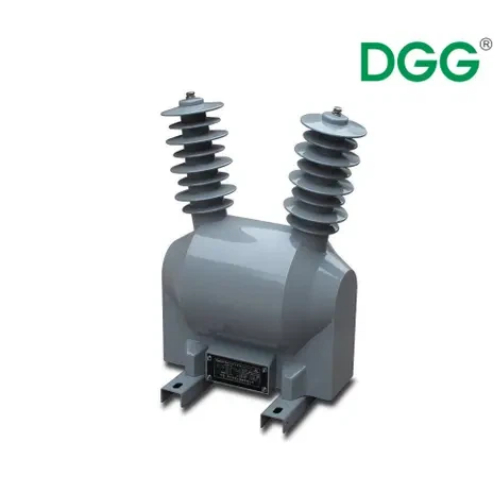
A Voltage Transformer (VT), also referred to as a Potential Transformer (PT), is an Instrument Transformer that is designed to step down high voltage to a lower, manageable level suitable for measurement and protection purposes.
Definition
A Voltage Transformer is primarily used to reduce the voltage of a high-voltage circuit, ensuring that measurement devices and protection relays can handle the voltage without risk. It is essential in ensuring the safe operation of electrical systems by providing isolation between high-voltage circuits and low-voltage equipment.
In simpler terms, Voltage Transformers function similarly to regular power transformers but on a much smaller scale and with a focus on measurement accuracy and safety rather than power delivery.
Purpose and Function
The main purpose of a Voltage Transformer is to scale down high voltage into measurable units that can be read by instrumentation like voltmeters, ammeters, or energy meters. It provides an interface between the high-voltage system and the measuring or protective equipment. This transformation ensures that measuring equipment is not exposed to dangerous voltages while still providing accurate measurements for monitoring, control, and protection.
2. What is an Instrument Transformer?
Instrument Transformers are electrical devices that step down high-voltage or high-current levels to safe and manageable values for metering and protection. These transformers are designed specifically for accuracy and electrical isolation. The two main types of Instrument Transformers are:
Role of Instrument Transformers
Instrument Transformers play a pivotal role in the functioning of power systems by providing accurate voltage and current measurements, which are essential for monitoring and controlling electrical systems. These transformers are widely used in metering applications, electrical protection systems, and control circuits.
Type of Instrument Transformer | Function | Application |
Voltage Transformer (VT) | Steps down voltage to measurable levels for metering and protection | Power generation, distribution, protection relays |
Current Transformer (CT) | Steps down current to measurable levels for metering and protection | Energy metering, fault detection, current protection |
The key benefit of using Instrument Transformers is their ability to provide electrical isolation between high-voltage circuits and low-voltage instrumentation. This ensures that the electrical equipment and personnel remain protected from high-voltage hazards.
3. Key Features of Voltage Transformers
Voltage Transformers are equipped with several features that ensure they are safe, reliable, and accurate in their function. Below are the key attributes that define Voltage Transformers:
High Accuracy
Voltage Transformers must maintain a high level of accuracy to ensure precise measurement of voltage in high-voltage systems. The accuracy of these transformers is essential in monitoring and controlling the electrical system's performance.
Safety
The primary function of a Voltage Transformer is to provide electrical isolation. This ensures that high-voltage circuits do not come into contact with low-voltage equipment, thus preventing damage to measuring instruments and protecting personnel from electric shock.
Reliable Performance
Voltage Transformers are designed to operate under various environmental conditions, including extreme temperatures, humidity, and electrical noise. Their reliable performance is crucial in ensuring consistent and accurate readings in power systems.
Compact Design
Modern Voltage Transformers are typically compact and lightweight, making them easy to install in a variety of settings. Despite their small size, they can handle high-voltage applications with ease.
Long Lifespan
Voltage Transformers are designed to have a long service life, often outlasting the equipment they protect. Their durability makes them a cost-effective solution in the long run.
4. Applications of Voltage Transformers
Voltage Transformers are widely used across multiple industries and applications. Their primary purpose is to provide accurate voltage measurements and protection in high-voltage circuits.
Power Generation
In power generation plants, Voltage Transformers are used to monitor the high voltage coming from generators and turbines. They help ensure that the power produced is safe for distribution.
Distribution Networks
In electrical distribution systems, Voltage Transformers are essential in reducing high-voltage levels so that they can be safely measured by meters and monitored for consistency. This ensures that electrical systems are operating within safe voltage limits.
Protection Relays
Voltage Transformers are often integrated with protection relays to safeguard electrical systems from faults, such as overvoltage conditions. When a fault is detected, the protection relay can disconnect the circuit to prevent damage.
Energy Metering
Energy metering relies heavily on Voltage Transformers to provide accurate voltage readings. These readings are crucial for billing, energy management, and load balancing in electrical systems.
5. The Working Principle of Voltage Transformers
Voltage Transformers work based on the principle of electromagnetic induction, similar to other transformers. Here is how they operate:
Primary Winding: The primary winding of the Voltage Transformer is connected to the high-voltage circuit.
Magnetic Flux: When current flows through the primary winding, it creates a magnetic flux.
Secondary Winding: The magnetic flux induces a current in the secondary winding, which is connected to the measuring device or protection relay.
Voltage Step-down: The induced voltage in the secondary winding is proportional to the primary voltage but at a lower level, typically in the range of 100V or 110V.
Output: The secondary voltage can now be measured safely by low-voltage equipment.
This transformation allows for precise measurement of high-voltage circuits while ensuring that the measuring equipment is not exposed to dangerous voltage levels.
6. Advantages of Voltage Transformers
The use of Voltage Transformers in electrical systems offers several advantages:
Accurate Measurement
One of the most important advantages is the high accuracy of Voltage Transformers. This ensures that voltage measurements are precise, which is crucial for the effective operation of the power system.
Protection
By providing electrical isolation, Voltage Transformers help protect both electrical equipment and personnel from the dangers associated with high-voltage systems.
Cost-Effective
The long lifespan and low maintenance costs of Voltage Transformers make them an economical choice for electrical measurement and protection. They also help reduce the risk of costly damage due to electrical faults.
Versatility
Voltage Transformers can be used in a wide range of applications, from power generation to industrial plants and residential areas. Their versatility makes them an indispensable part of modern electrical infrastructure.
7. Voltage Transformers vs. Other Transformers
Voltage Transformer vs. Power Transformer
While both Voltage Transformers (VT) and Power Transformers are used to step down voltage, they serve different functions:
Voltage Transformers are specifically designed for measuring voltage and providing protection in high-voltage circuits.
Power Transformers are used to transmit electrical power across distances and can handle much higher power ratings.
Voltage Transformer vs. Current Transformer
Both Voltage Transformers (VT) and Current Transformers (CT) are Instrument Transformers, but their primary functions differ:
Voltage Transformers measure voltage levels in high-voltage systems.
Current Transformers measure current levels for metering and protection.
Feature | Voltage Transformer (VT) | Current Transformer (CT) |
Function | Measures voltage in high-voltage circuits | Measures current in high-voltage circuits |
Application | Energy metering, protection relays | Fault detection, load monitoring |
Primary Winding | Connected to high-voltage side | Connected to the current-carrying conductor |
Secondary Winding | Connected to the measuring device | Connected to the ammeter or protection relay |
8. Conclusion
Voltage Transformers are vital components in the electrical power industry, ensuring accurate voltage measurement and providing protection to maintain safe operations across power systems. By stepping down high-voltage readings and offering electrical isolation, Voltage Transformers safeguard sensitive equipment and protect personnel from dangerous high-voltage exposure. As a key type of Instrument Transformer, they are essential for the reliable functioning and management of electrical networks, enabling precise measurements and the timely detection and mitigation of faults.
At Denggao Electric Co., Ltd., we specialize in providing high-quality Voltage Transformers and other electrical solutions to meet the demands of power generation, distribution, and protection. With our extensive expertise and advanced technology, we ensure that your electrical systems operate with maximum safety and efficiency. If you are looking for dependable and innovative Voltage Transformer solutions, we invite you to explore our offerings and contact us to discuss how we can support your needs.
9. FAQ
Q1: What is the main difference between a Voltage Transformer and a Current Transformer?
Voltage Transformers (VT) are used to measure voltage and step down high voltage to safer, measurable levels. Current Transformers (CT), on the other hand, measure current and step down high current levels to safe values for metering and protection purposes.
Q2: Why are Voltage Transformers important for electrical safety?
Voltage Transformers ensure electrical isolation between high-voltage circuits and measuring equipment, which helps prevent damage to instruments and protect personnel from electric shock.
Q3: Can a Voltage Transformer be used for power generation systems?
Yes, Voltage Transformers are widely used in power generation plants to measure voltage levels and ensure that power is generated at safe and measurable levels.
Q4: How does a Voltage Transformer work in a protection relay system?
In a protection relay system, Voltage Transformers provide the accurate voltage measurements needed to detect faults like overvoltage conditions. If a fault occurs, the relay can disconnect the affected circuit to prevent damage.
Q5: What is the role of Voltage Transformers in energy metering?
Voltage Transformers provide precise voltage measurements that are essential for accurate energy metering. This information is used for billing, load balancing, and efficient energy management in both residential and industrial settings.


