1. Introduction to Current Transformers
Current transformers (CTs) are essential components in electrical systems, playing a crucial role in the measurement and protection of power systems. As vital parts of the electrical grid, current transformers help reduce the high currents typically found in transmission lines to safe levels, ensuring reliable operation of protection and monitoring systems.
Saturation in current transformers is a phenomenon that occurs when the core of the CT becomes fully magnetized and is unable to accept any additional magnetic flux. This results in inaccurate secondary current readings, affecting the operation of protection systems and leading to potential system failures. When saturation occurs, protection relays and metering devices can malfunction, potentially causing significant damage to electrical equipment.
This article discusses the issue of saturation in protection current transformers, its impact on electrical systems, and how to prevent it. By exploring strategies to prevent saturation, we can improve the reliability of instrument transformers and ensure the accurate performance of protection systems.
2. Understanding Current Transformers (CTs) and Instrument Transformers
What is a Current Transformer?
A current transformer (CT) is a specialized transformer designed to measure and monitor high current levels in electrical circuits. CTs work by converting high primary current flowing through a conductor into a lower, more manageable secondary current, which is used for measurement, protection, and control.
CTs are typically designed to provide a secondary current that is proportional to the primary current. Standard secondary currents are typically 1A or 5A, making it easy to integrate CTs into metering systems, protection devices, and relays. This allows electrical engineers to monitor large currents without risking damage to instruments or personnel.
Current transformers are integral to:
Power measurement systems: Monitoring energy usage in electrical grids.
Protection systems: Detecting faults or overloads to prevent equipment damage.
Energy metering: Recording energy consumption for billing purposes.
In addition to being critical for protection and metering, current transformers also help isolate high-voltage circuits from lower voltage measurement equipment, ensuring the safety of personnel during maintenance or operation.
Instrument Transformers vs. Other Transformers
While current transformers (CTs) are similar to other types of transformers, their specific purpose and design make them unique. Standard transformers are typically used for power transmission, whereas instrument transformers like CTs are designed specifically for measuring electrical parameters with high accuracy.
Instrument transformers, which include both current transformers (CTs) and voltage transformers (VTs), play a critical role in electrical systems:
Current Transformers (CTs): They reduce high current to a lower, measurable level.
Voltage Transformers (VTs): These step down high voltage to a level that is safe for metering and protection devices.
The distinguishing factor is that instrument transformers are designed to ensure precision and reliability in measurement, making them essential for protecting high-value equipment and maintaining system stability. Unlike power transformers, instrument transformers are not intended for energy transfer, but rather for measurement and protection in high-voltage systems.
3. The Phenomenon of Saturation in Current Transformers
What is Saturation?
Saturation is the point at which the magnetic core of a current transformer becomes fully magnetized, meaning it cannot accept additional magnetic flux. When this happens, the CT no longer operates linearly, and its output no longer accurately represents the current flowing through the primary side of the transformer. This results in distorted secondary current readings, which is particularly problematic in protection current transformers that are designed to monitor fault conditions and trigger protective relays.
Saturation typically occurs under extreme current conditions where the primary current exceeds the CT's design specifications. This can happen due to:
Overloading the CT with currents higher than its rated capacity.
Inrush currents caused by switching on heavy electrical equipment.
A mismatch between the CT's specifications and the application it is used for.
Once the CT core saturates, it can no longer provide reliable current measurements, which affects the performance of downstream protection systems, such as overcurrent relays or circuit breakers.
Why Does Saturation Happen?
Saturation can occur in a current transformer for a number of reasons, including:
Excessive primary current: If the current in the primary winding of the CT exceeds the transformer’s capacity, the core can become saturated.
Improper sizing: Using an undersized CT for an application with higher current than expected can lead to saturation.
Transient inrush currents: High inrush currents, which are common when switching on equipment such as motors or transformers, can cause the CT’s core to saturate briefly.
The size and capacity of the current transformer must be carefully selected to match the system's expected current levels. Failure to do so can result in the transformer saturating and failing to provide accurate readings, which undermines the effectiveness of the protection system.
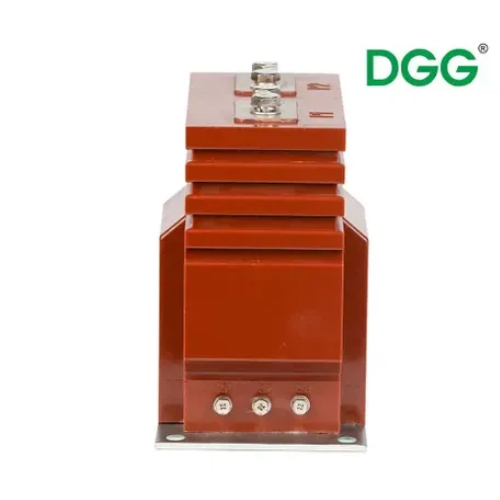
4. The Impact of Saturation on Protection Current Transformers
How Does Saturation Affect Protection Systems?
When a current transformer saturates, it can have significant consequences for the protection system. Protection systems rely on accurate current measurements to detect faults and initiate corrective actions, such as tripping circuit breakers or activating alarms. Saturation disrupts this process by providing incorrect current values, potentially causing the protection system to miss faults or delays in responding to hazardous conditions.
Saturation can affect protection current transformers by:
Distorting the current signal: A saturated CT produces distorted secondary current, which leads to inaccurate protection relay actions.
Delaying the response time: Relays relying on incorrect current measurements may activate too late, leaving equipment vulnerable to damage.
Failure to detect faults: Protection systems may fail to detect fault conditions altogether, leading to unprotected electrical equipment.
Without accurate current measurement, protection CTs cannot provide the level of reliability needed for electrical systems, potentially allowing faults to go undetected, causing serious system failures.
5. Techniques to Prevent Saturation in Protection Current Transformers
To prevent saturation and ensure that current transformers continue to operate accurately under all conditions, several techniques can be employed:
1. Choosing the Right CT for Specific Applications
It is essential to select a current transformer that is properly rated for the expected currents. The CT’s rated current should align with the maximum current expected during normal operation, as well as any potential fault conditions. Overestimating or underestimating the current rating can lead to CT saturation.
2. Proper Sizing and Rating
Ensuring the instrument transformer is appropriately sized is one of the most effective ways to prevent saturation. The CT must be sized based on the highest expected current, as well as any potential system transients, such as inrush currents. Properly rated CTs will remain within their linear operating range, providing accurate readings and maintaining system protection.
3. Implementing Secondary Burden Control
Secondary burden refers to the load that the CT must drive on its secondary side. A high secondary burden can cause the CT to saturate, as it draws excessive power through the core. By ensuring that the secondary burden is within the CT’s rated limits, you can reduce the likelihood of saturation.
4. Using Saturation-resistant Core Materials
The materials used in the CT core play an essential role in preventing saturation. Cores made from materials with high magnetic permeability, such as silicon steel or amorphous steel, can handle higher magnetic flux densities, reducing the risk of saturation even under high current conditions.
5. Regular Maintenance and Testing
Routine testing and maintenance are vital for ensuring that current transformers continue to operate efficiently. Testing should include evaluating the CT under extreme current conditions to verify its accuracy and performance. Regular inspections can identify signs of wear, damage, or potential saturation risks before they cause system malfunctions.
6. Best Practices for Installing Protection Current Transformers
Proper installation plays a significant role in preventing current transformer saturation. The following best practices should be followed when installing protection CTs:
Correct placement: Ensure the CT is installed in a location where it will not be exposed to excessive current levels beyond its rated capacity.
Accurate orientation: Position the CT to ensure it operates under uniform magnetic fields and avoids external magnetic interference.
Proper secondary connections: Verify that secondary connections are correct and minimize resistance to reduce the risk of overload.
CT Installation Best Practices
Installation Aspect | Recommended Practice |
CT Placement | Install in areas with controlled load and protection needs |
Orientation | Align with the current flow direction to reduce distortion |
Secondary Connection | Ensure proper connections to avoid high secondary burden |
Isolation from High Voltages | Place away from high-voltage sources to avoid saturation risks |
By following these installation practices, you can help ensure that current transformers operate optimally and avoid the risks associated with saturation.
7. Monitoring and Testing Protection Current Transformers
Regular monitoring and testing are essential to ensuring that current transformers continue to provide accurate readings and prevent saturation. Testing for saturation involves checking the secondary current output under peak current conditions.
Types of Tests:
Saturation Test: A test where a known overload current is applied, and the CT’s secondary output is measured for saturation effects.
Accuracy Test: This is conducted under normal conditions to confirm that the CT is providing accurate readings.
Burden Test: Evaluates the effect of the secondary burden on the CT’s performance to ensure it is operating within its limits.
Frequency of Testing:
New installations
Following abnormal load conditions or system changes
As part of scheduled maintenance routines
8. Conclusion
Preventing saturation in protection current transformers is essential for ensuring the reliability and accuracy of electrical protection systems. At Denggao Electric, we prioritize providing high-quality instrument transformers that are designed to meet specific operational needs. By selecting the right current transformer (CT), ensuring proper sizing, using premium core materials, and performing regular testing and maintenance, we guarantee that your CTs remain accurate and effective in safeguarding your electrical systems.
By following these best practices, you can minimize the risk of saturation and improve the overall performance and safety of your protection systems. At Denggao Electric, we are committed to delivering reliable current transformers tailored to your unique requirements. If you're looking to optimize your electrical protection, feel free to contact us for expert advice and product recommendations. Our team is here to ensure that your electrical systems run smoothly and efficiently. Let us help you enhance the protection and reliability of your operations today.
9. FAQ
Q1: What causes saturation in current transformers?
Saturation occurs when the magnetic core of a current transformer is exposed to high current levels beyond its design capacity, causing the core to become fully magnetized and fail to produce an accurate secondary current.
Q2: How do I prevent saturation in current transformers?
To prevent saturation, choose the right CT for the application, size it properly, reduce secondary burden, use suitable core materials, and regularly test the CT for performance.
Q3: How do I know if my current transformer is saturated?
Saturation can be detected through routine testing, such as secondary current injection tests, which evaluate whether the CT is providing accurate readings.
Q4: Can saturation damage protection systems?
Yes, saturation can distort current measurements, leading to delayed or incorrect protection relay responses and leaving equipment vulnerable to faults.
Q5: How often should current transformers be tested?
Current transformers should be tested during new installations, after exposure to high loads, and as part of routine maintenance to ensure optimal performance and avoid saturation risks.


