1. Introduction
Electrical systems rely on protection devices to ensure safety and minimize downtime. But which device is better suited for your system: Auto Reclosers or Circuit Breakers?
In this article, we will dive into the differences between Auto Reclosers and Circuit Breakers. You will learn about their functions, applications, and key advantages, helping you choose the right protection for your needs.
2. What is an Auto Recloser?
2.1 Definition and Function
An Auto Recloser is an automatic device that detects faults in an electrical distribution system. Its primary function is to momentarily disconnect the power during a fault and then attempt to restore power after a short delay. This process is repeated several times if the fault is temporary, minimizing the disruption caused by brief faults, such as those caused by lightning or fallen trees.
Auto Reclosers are particularly beneficial in reducing the frequency of power outages. They allow for the automatic restoration of power without requiring manual intervention. This is crucial in remote areas where the cost of manual restoration can be high and the duration of outages needs to be minimized.
2.2 How Auto Reclosers Work
Auto Reclosers are designed to open and close circuits automatically in response to fault conditions. When a fault occurs, the recloser opens the circuit to isolate the problem. After a short delay, it automatically attempts to close the circuit and restore power. If the fault is still present, the process is repeated several times, depending on the settings.
If the fault persists, the recloser will remain open, signaling that manual intervention is required. This sequence helps reduce system downtime and avoids unnecessary power interruptions, especially in cases where the fault clears itself.
2.3 Applications of Auto Reclosers
Auto Reclosers are primarily used in power distribution systems, especially in locations with frequent transient faults. They are ideal for areas like rural or suburban power grids, where fault conditions might be temporary and manual intervention would be costly. These devices are also crucial in systems where maintaining a continuous power supply is critical, such as in critical infrastructure or industrial facilities.
Tip: Use Auto Reclosers in rural areas or places with high transient fault occurrences to improve system reliability and minimize downtime.
3. What is a Circuit Breaker?
3.1 Definition and Purpose
A Circuit Breaker is a safety device designed to protect electrical circuits from damage due to overcurrent or short-circuit conditions. Unlike Auto Reclosers, Circuit Breakers do not attempt to automatically restore power after tripping. Instead, they are manually reset after a fault is detected and corrected. Circuit Breakers are essential in preventing damage to electrical systems by interrupting the flow of current when an unsafe condition is detected.
3.2 How Circuit Breakers Work
Circuit Breakers detect fault conditions, such as excessive current flow, and immediately open the circuit to interrupt power. Once the breaker has tripped, it must be manually reset before power can be restored. This is in contrast to Auto Reclosers, which automatically attempt to restore power after a fault is cleared.
Circuit Breakers are often found in residential, commercial, and industrial applications where safety and system integrity are a priority. They provide protection against sustained overcurrent and short circuits, ensuring the electrical system remains safe.
3.3 Applications of Circuit Breakers
Circuit Breakers are commonly used in residential and commercial electrical systems, where protection against short circuits and overloads is needed. They are also crucial in industrial settings, where large electrical systems are at higher risk of faults that require immediate isolation for safety. Circuit Breakers are used in everything from household electrical panels to large-scale power plants.
Tip: In systems with a high risk of prolonged faults, Circuit Breakers are a reliable choice for protecting equipment and ensuring safety.
4. Key Differences Between Auto Reclosers and Circuit Breakers
Feature | Auto Recloser | Circuit Breaker |
Reset Type | Automatic reset after temporary faults | Manual reset required after fault |
Fault Handling | Ideal for transient faults (e.g., lightning) | Best for persistent faults (e.g., overload) |
Cost | Higher initial cost | Lower initial cost |
Maintenance | Low maintenance due to automatic operation | Higher maintenance due to manual resetting |
Reliability | Reduces downtime for brief faults | Provides robust protection for severe faults |
Use Case | Remote areas, power distribution systems | Residential, commercial, and industrial systems |
4.1 Automatic vs. Manual Reset
The most significant difference between Auto Reclosers and Circuit Breakers is the method of resetting after a fault. Auto Reclosers automatically attempt to restore power after a short delay, while Circuit Breakers require manual intervention to reset the system once a fault is detected. This makes Auto Reclosers more suitable for handling temporary faults, where power restoration is needed quickly.
4.2 Response to Faults
Auto Reclosers are designed to handle transient faults, such as those caused by weather disturbances or minor line issues. They provide multiple attempts to restore power before signaling for manual intervention. In contrast, Circuit Breakers are more suited for persistent faults, such as short circuits or overcurrent situations, where immediate and long-term disconnection is required.
4.3 Cost and Maintenance
Auto Reclosers typically have a higher initial cost due to their automatic resetting functionality and more advanced technology. However, over time, they can reduce maintenance costs by minimizing downtime and avoiding the need for manual restoration. Circuit Breakers, on the other hand, are generally more affordable upfront but may incur higher operational costs in systems that experience frequent faults requiring manual resetting.
Tip: If minimizing operational costs is a priority, Auto Reclosers offer long-term savings despite the higher initial investment.
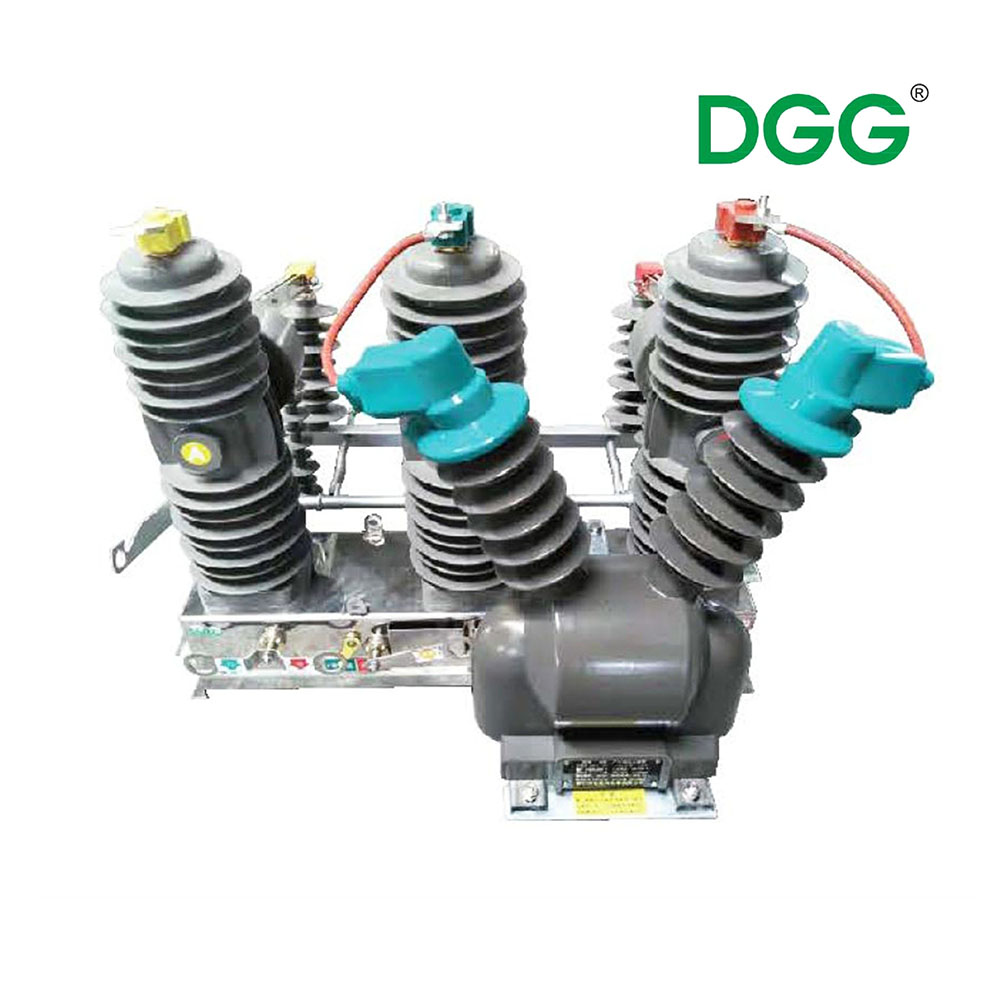
4.4 Reliability and System Performance
Auto Reclosers play a key role in improving system reliability by reducing the frequency of power interruptions caused by temporary faults. They help maintain a continuous power supply by automatically restoring power when the fault is temporary. Circuit Breakers, however, are more reliable in handling severe and persistent faults, ensuring that the system is protected in situations where the fault is long-lasting.
5. Pros and Cons of Auto Reclosers
5.1 Advantages
● Reduced downtime: Auto Reclosers are ideal for reducing power outages caused by transient faults.
● Cost savings: By minimizing the need for manual intervention, Auto Reclosers can save on long-term operational costs.
● Automatic fault detection: Auto Reclosers automatically detect and respond to temporary faults, ensuring quick recovery.
5.2 Disadvantages
● Limited use for persistent faults: Auto Reclosers are less effective in systems where the fault is ongoing or severe, requiring manual intervention.
● Higher initial cost: The advanced technology and automatic features make Auto Reclosers more expensive compared to Circuit Breakers.
Device | Advantages | Disadvantages |
Auto Reclosers | - Reduces downtime for temporary faults | - Less effective for persistent faults |
- Automatic fault detection and restoration | - Higher initial cost |
- Cost savings in the long run due to minimal intervention |
|
Circuit Breakers | - Reliable for handling persistent faults | - Requires manual resetting after tripping |
- Lower initial cost compared to Auto Reclosers | - Can result in longer downtimes due to manual intervention |
- Widely used in residential and commercial systems |
|
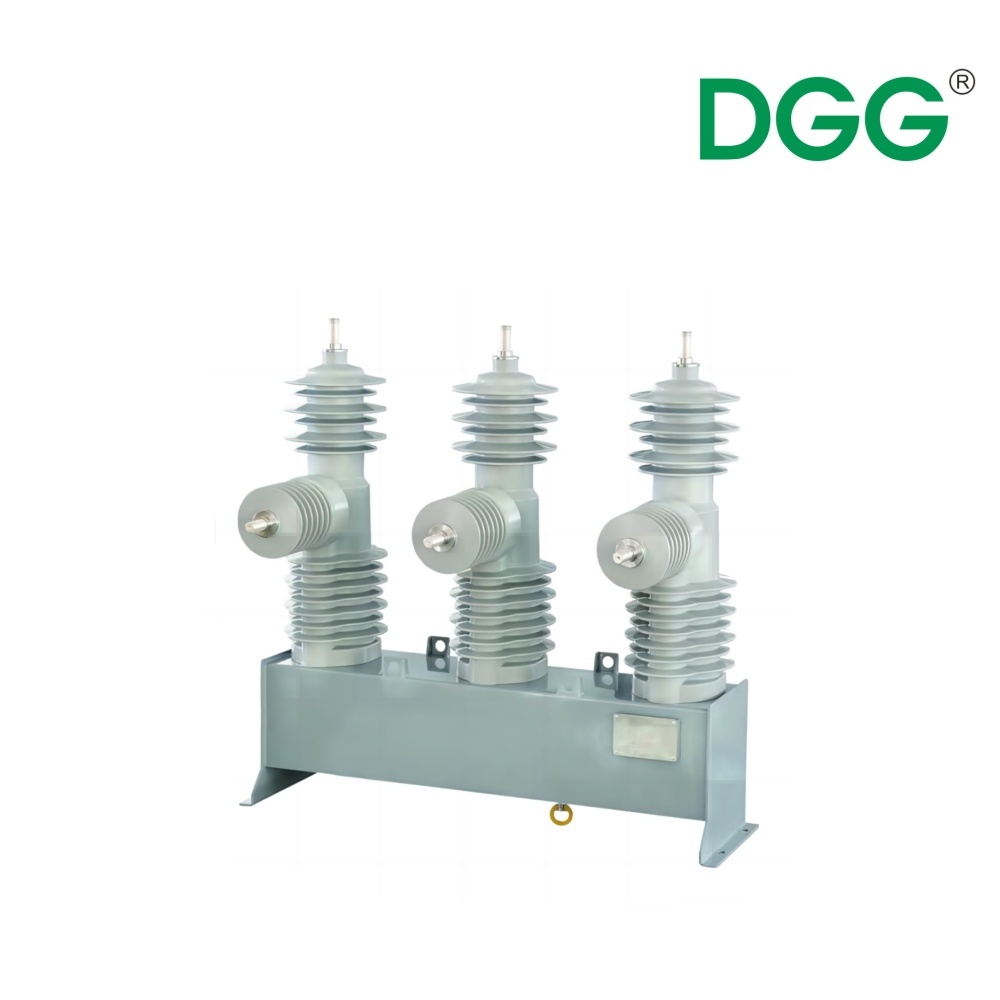
6. Pros and Cons of Circuit Breakers
6.1 Advantages
● Reliable protection: Circuit Breakers offer dependable protection for sustained overcurrent and short circuits.
● Lower initial cost: Circuit Breakers are generally more affordable upfront than Auto Reclosers.
6.2 Disadvantages
● Manual reset required: Circuit Breakers require manual intervention to reset the system after a fault occurs, resulting in longer downtimes.
● Higher operational costs: Frequent faults may lead to increased maintenance costs due to the need for manual resetting.
7. Choosing the Right Protection Device for Your System
7.1 Factors to Consider
When choosing between Auto Reclosers and Circuit Breakers, consider factors like fault duration, system location, and cost:
● Fault duration: Auto Reclosers are better for systems with temporary faults, while Circuit Breakers are ideal for long-term or severe faults.
● Location: Use Auto Reclosers in areas prone to transient faults (e.g., rural areas) and Circuit Breakers in places with persistent fault conditions.
● Cost: Evaluate both the initial cost and long-term operational costs to determine the most cost-effective option for your system.
7.2 Use Case Scenarios
● Auto Reclosers: Suitable for systems in rural areas or places with frequent but short-lived faults.
● Circuit Breakers: Best for industrial or commercial systems where long-term fault protection is necessary.
8. Conclusion
This article explores the differences between Auto Reclosers and Circuit Breakers, highlighting their functions, applications, and advantages. Auto Reclosers automatically restore power after temporary faults, reducing downtime, while Circuit Breakers provide reliable protection for persistent faults. Denggao Electric Co., Ltd.offers advanced Auto Recloser products, designed to minimize power interruptions and enhance system reliability, providing significant value for distribution networks.
FAQ
Q: What is the difference between Auto Reclosers and Circuit Breakers?
A: Auto Reclosers automatically restore power after temporary faults, while Circuit Breakers require manual resetting and are used for persistent faults.
Q: How do Auto Reclosers work?
A: Auto Reclosers detect faults, open the circuit, and attempt to restore power after a short delay. If the fault persists, they stay open until manually addressed.
Q: Why are Auto Reclosers used in electrical systems?
A: Auto Reclosers reduce downtime by automatically restoring power after temporary faults, making them ideal for areas with frequent but brief interruptions.
Q: Are Auto Reclosers more expensive than Circuit Breakers?
A: Yes, Auto Reclosers typically have a higher initial cost due to their advanced technology and automatic resetting features.
Q: When should I use Auto Reclosers instead of Circuit Breakers?
A: Use Auto Reclosers in areas with frequent transient faults. Circuit Breakers are better for persistent faults requiring long-term disconnection.


